Industrial Deep Cleaning in Leominster, MA: A Practical Plan for Busy Facilities
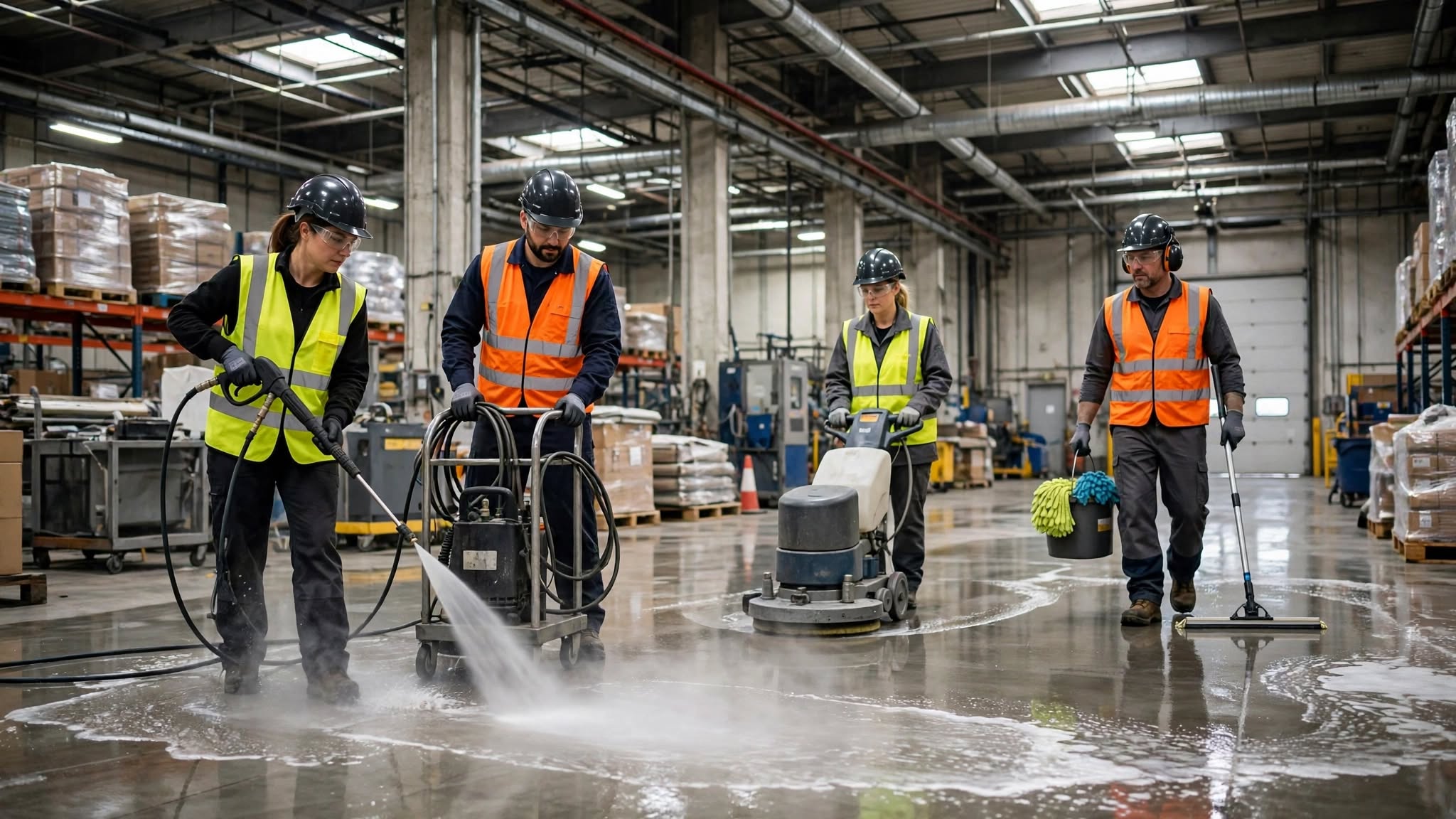
Table of Contents
- •Map the facility before defining the scope
- •Manage dust without spreading it around
- •Give high-traffic floors the attention they need
- •Schedule cleaning around production
- •Protect people, equipment and sensitive processes
- •How to evaluate an industrial cleaning proposal
- •Plan the next deep clean before the buildup returns
- •
Primary keyword: industrial deep cleaning Leominster MA Slug: industrial-deep-cleaning-leominster-ma Meta title: Industrial Deep Cleaning Leominster MA | Enterprise Cleaning Meta description: Explore industrial deep cleaning in Leominster, MA, including dust control, floor care, production schedules and how to define a facility-specific scope.
A production or industrial building can appear orderly while dust and residue collect in corners, around equipment exteriors, on ledges and along traffic routes. Routine janitorial work is important, but it may not cover periodic tasks that require additional equipment, access planning or a longer service window.
Businesses seeking industrial deep cleaning in Leominster should start by mapping the building's work zones, operating schedule and safety requirements. Enterprise Cleaning Corporation works with commercial and industrial facilities, with programmes tailored to how each site operates.
Map the facility before defining the scope
A useful walkthrough covers entrances, offices, break rooms, restrooms, corridors, production-adjacent areas, loading zones and floor types. The facility manager should identify areas that remain operational during cleaning, equipment that must not be touched and any restricted or controlled zones.
The scope should distinguish accessible surfaces from specialist tasks. Cleaning the exterior of equipment is different from opening machinery, entering confined spaces or working around hazardous processes. Those activities require site-specific authorisation and appropriately qualified personnel.
Manage dust without spreading it around
Dust can collect on ledges, exposed surfaces, vents and less frequently reached corners. Dry sweeping may redistribute fine particles, so the method should match the type of soil and the facility's safety requirements. Suitable vacuuming, damp wiping or other controlled methods may be preferable where permitted.
Before deep cleaning begins, confirm whether the site has special dust-control rules, production residues or material-handling requirements. Do not assume a general cleaning product or technique is suitable for every industrial environment.
Give high-traffic floors the attention they need
Forklift routes, pedestrian walkways, loading areas and entrances can accumulate grit and residue that routine spot cleaning misses. Floor maintenance should take account of the material, slip risks, traffic patterns and any markings that must remain visible. The aim is to keep the surface clean without creating unnecessary downtime or damaging its finish.
Schedule machine scrubbing or other floor-care tasks during suitable low-traffic windows. Mark off wet areas, coordinate equipment movement and make sure the route can reopen safely before normal operations resume.
Schedule cleaning around production
Industrial cleaning has to fit the operating rhythm of the site. A shutdown, weekend window or staggered shift may provide access to areas that cannot be reached during normal production. The plan should identify who approves the work, how contractors sign in, which areas are excluded and how unexpected issues are escalated.
A tailored schedule can combine periodic deep cleaning with recurring commercial janitorial services. Enterprise's article on custom cleaning programmes outlines why traffic, facility type and operating requirements should shape the plan.
Protect people, equipment and sensitive processes
Before work starts, review site safety rules, personal protective equipment requirements, access restrictions, chemical approvals and any permit-to-work process. Cleaning teams should know which equipment must remain untouched, which areas require escorts and where materials can be stored safely.
If the facility includes cleanrooms, food production, hazardous substances or tightly controlled manufacturing processes, define the limits of the cleaning provider's role. A general industrial deep clean should not be represented as a substitute for a validated cleanroom, specialist decontamination or regulated process.
How to evaluate an industrial cleaning proposal
A strong proposal should describe the rooms and surfaces included, the tasks and frequency, access assumptions, equipment requirements, safety coordination, quality checks and exclusions. Ask how the provider will report completed work and how changes to the production schedule affect pricing or timing.
For background on Enterprise's broader commercial service model, review its commercial cleaning buyer's guide and company background and experience. The most useful quote is one based on a site walkthrough rather than square footage alone.
Plan the next deep clean before the buildup returns
After the first deep clean, note which areas collected the most soil, which methods worked and where access was difficult. Use those observations to set a sensible interval for repeat work. Some tasks may be needed quarterly, while high-traffic floors or staff facilities may need more frequent attention.
If your Leominster facility needs a one-off reset or a recurring maintenance plan, contact Enterprise Cleaning Corporation to discuss a walkthrough. Confirm the address, site conditions and any specialist requirements before scheduling.